Advice Of The Sommeliers

Wine is a delicate, natural product. Like the fruits that it's made of, wine will eventually spoil if not properly stored. When wine goes bad, the compounds that make up its complex flavors and aromas break down, leaving you with something that tastes more like vinegar than wine.

UV rays can damage wine the same way they damage your skin. Too much sunlight will cause the delicate compounds in your wine to break down, leaving you with wine that doesn't taste like it should. This as a "cooked" flavor. Keeping wine in protective storage that minimizes exposure to sunlight and artificial light is key.


Wines have a small amount of sediment in each bottle. If your wine is moved too often, that sediment can become agitated and spread throughout the bottle, where it causes chemical reactions that change the flavor of your wine. Wine should be kept as still as possible and protected from excessive vibrations from wine cooler.

The all-around best wine storage temperature is 55 degrees, which is about the same as the year-round temperatures found underground. Caves and actual cellars were the original wine storage facilities in the days before refrigeration, because they made it easy to keep wine at these temperatures. When wine is kept at 55 degrees, it slows that aging process significantly, so you don't have to worry about losing color, flavor, or aroma.

By keeping wine in the right conditions, they stay in tip top condition as they age. White wines are best kept at a cool 9-13⁰C degrees, while 7⁰C is better for sparkling. Red wines prefer warmer temperatures of around 12-15⁰C.

It would be ideal to compare wine coolers when it comes to delivering the ideal temperature. For storage, coolers could come in single-zone and dual-zone models. The single zones are more suitable for long-term storage of all types of wine. In case you want both long-term and short-term storage, a dual-zone cooler is the best choice especially if you have a selection of white and red wines. A dual-zone wine cooler will allow you to adjust the temperatures of two separate storage areas independently.  

White wine

  • Champagne and sparkling: 8-10°C
  • Fresh, light, fruity, dry white wines: 8-10°C
  • Full-bodied, aromatic, dry white wines: 10-12°C
  • Very full-bodied, complex, dry white wines: ± 12°C
  • Fruity, fresh, semi-dry white wines: 7-9°C
  • Lush, sweet white wines: 10-12°C
  • Rosé wines: 8-10°C

Red Wine

  • Fresh, fruity, light and supple wines: 14-16°C
  • Full-bodied, spicy, quite complex wines: 16-18°C
  • Powerful, concentrated, robust wines: 16-18°C
  • Lush, sweet red wines: 16-18°C

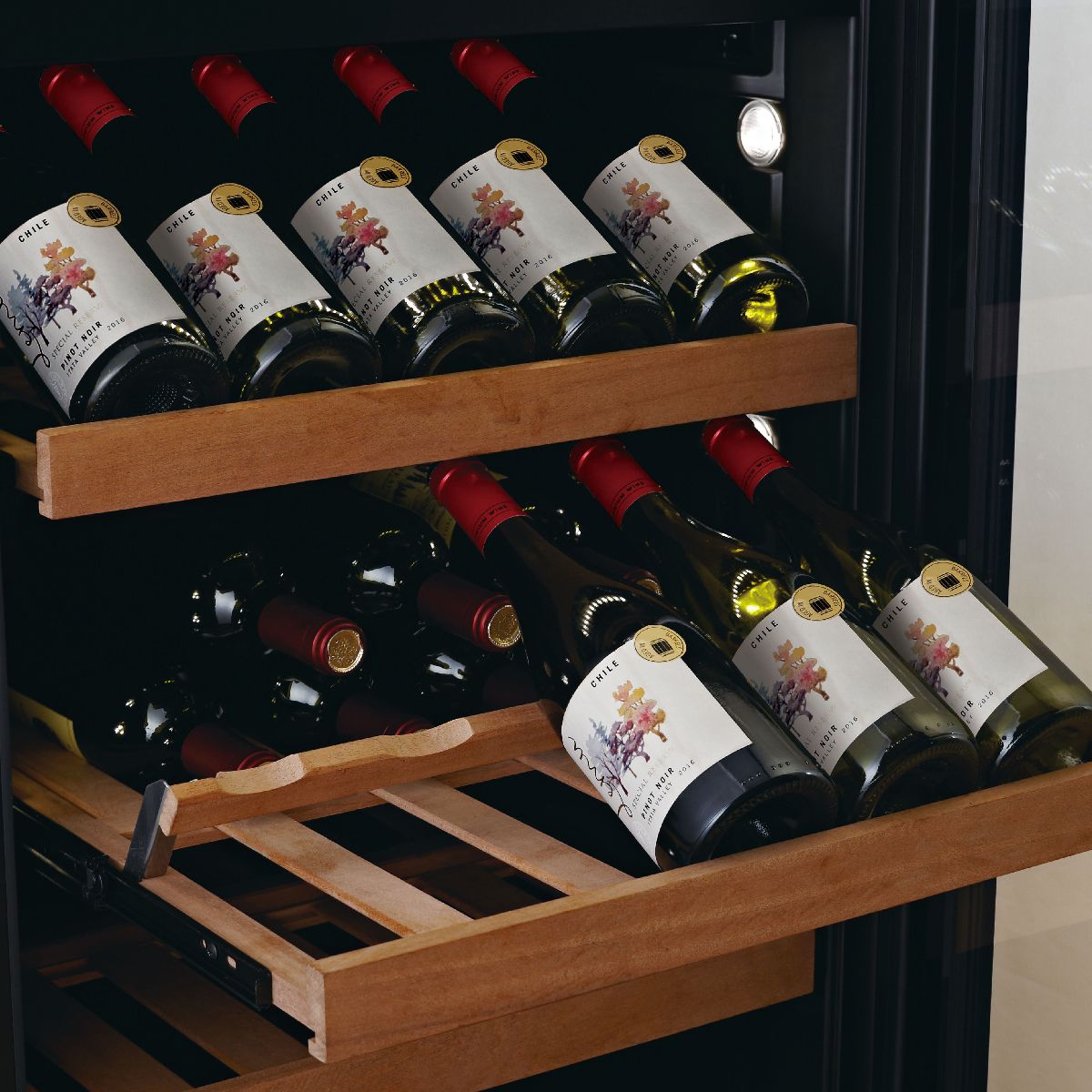
Wine coolers will keep your bottles in the ideal position to make sure the corks don’t dry out and let any air in. You can get a model with UV resistant doors that block out any harmful rays so your wine stays full-bodied and delicious.


The air quality in a wine cooler can affect the quality of wine. It is therefore important to ensure that the air quality is good. This means that in addition to sufficient fresh air, the humidity must also be ok. To ensure optimal air quality, some wine coolers are equipped with the following functions:

Air circulation

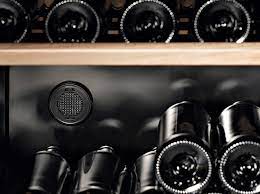
Wine 'breathes' through the cork of the bottle. If there is an unpleasant smell in the wine climate closet, it will also affect the wine. That's why many wine climate cabinets have a ventilation system that provides sufficient fresh air. This way your wine stays in perfect condition!

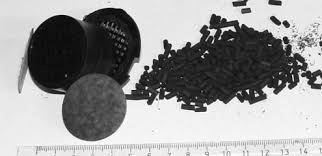
Carbon filter

Some wine coolers are equipped with an active carbon filter. The filter system keeps the air in the wine cooler fresh. This prevents unpleasant odors and keeps your wine in perfect condition! An active carbon filter is only possible if cooling is carried out by means of a compressor.
Humidity control

In addition to sufficient fresh air, the humidity is also important and affects the wine. It is important to keep the cork constantly moist, because only then will the bottle remain hermetically sealed. Humidity control ensures that the humidity level of the air is maintained. An air humidity around 65% is ideal. If the humidity is too low (below 55%) the cork dries out. A dehydrated cork can not only break down quickly, it also allows oxygen to reach the wine. This causes the wine to oxidize, causing the taste to deteriorate rapidly. If the humidity is too high (above 80%) then the cork becomes too humid and can become mouldy. In addition, the label can come off after a while.

It’s important to note wines require specific storage conditions, especially the right temperature and humidity level. You need to think about this, especially if you have expensive wines.  
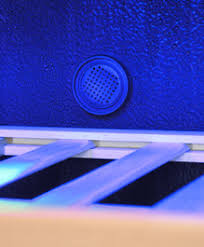
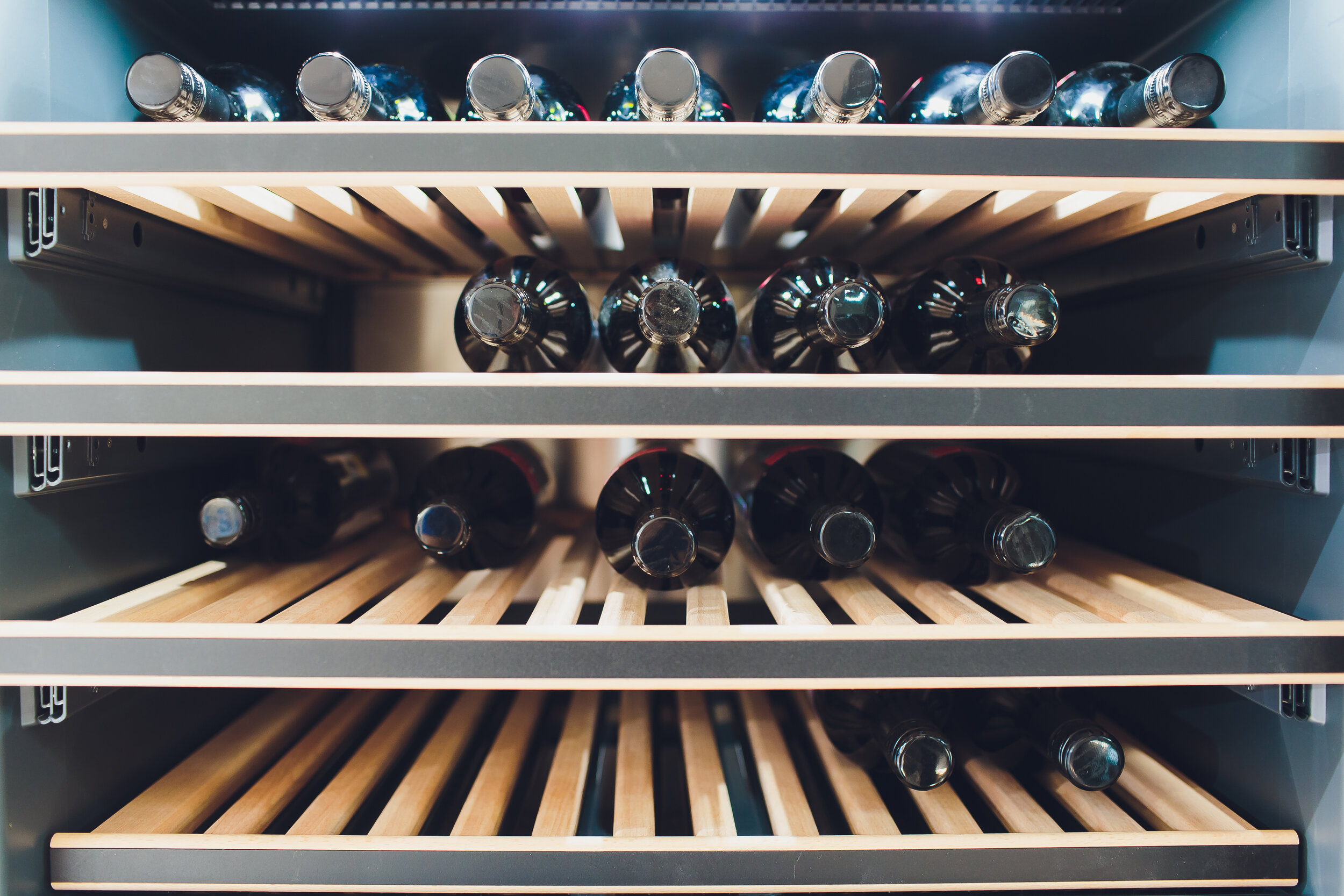
When choosing a wine cooler, it might be best to choose one with adjustable or removable racks, especially if you have wine bottles in various sizes.If the shelves are removable, it’s a plus since it’s easier to clean. If you want a practical option, choose a wine cooler with detachable or adjustable racks. 

A lot of wine coolers are designed around a standard Bordeaux bottle, but some models do have flexible storage options. If you’re a fan of larger sized bottles like Burgundy or Champagne, keep an eye out for models with removable shelves that create a bit more space.


scroll up